
Mortgage rates have dropped to their lowest levels since December, making homeownership more affordable. Learn what this means for buyers and sellers in today’s market.
Published on 03/19/2025

Learn how capital gains taxes work when selling your home and how to reduce what you owe. Consult a tax professional for personalized advice.
Published on 03/12/2025

Mortgage demand is surging as rates drop. Don’t wait—now’s the time to apply and lock in your opportunity before competition heats up.
Published on 03/05/2025

Mortgage rates have dropped to a 4-month low, creating new opportunities for homebuyers and homeowners looking to refinance. Learn how to take advantage of lower rates today.
Published on 02/26/2025

In 2025, buying a home is more affordable than renting in most U.S. markets. Learn why homeownership remains the smarter long-term investment.
Published on 02/19/2025

Home prices are rising at a steady pace, creating great opportunities for buyers and sellers in 2025. Learn how this balanced market benefits you!
Published on 02/13/2025

Thinking about moving in 2025? Learn why so many Americans are relocating and how to turn your dream move into reality with the right planning
Published on 02/05/2025
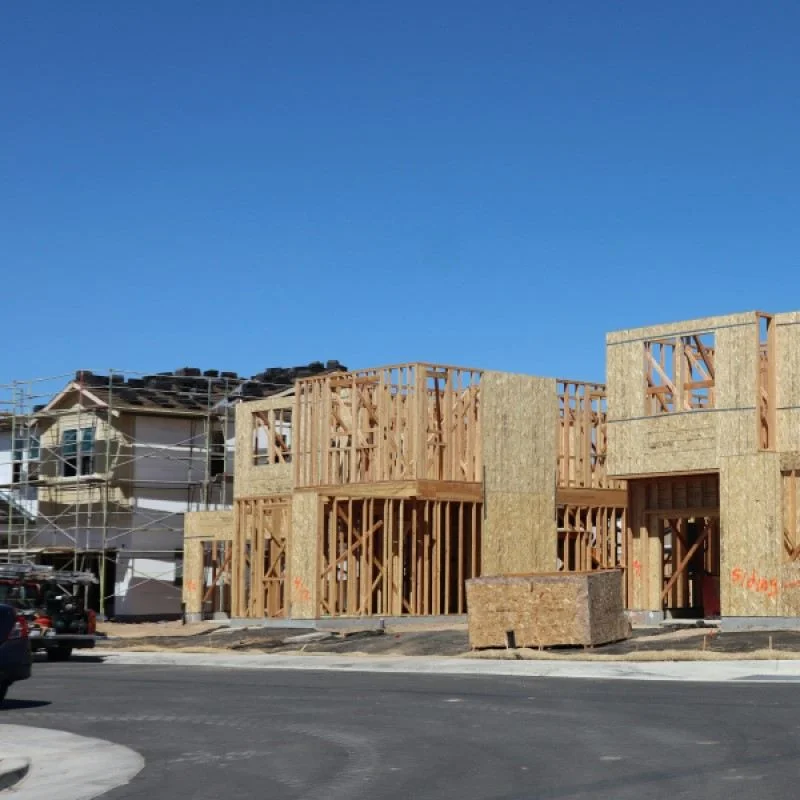
President Trump's executive order targets housing costs, but mortgage rates remain steady. Learn how these changes impact homebuyers and homeowners in 2025.
Published on 01/29/2025

Explore mortgage trends and homeownership insights this Inauguration Day.
Published on 01/20/2025
